Introduction: A Smarter Way to Approach Weight Loss
We approach weight loss as a structured lifestyle change rather than a temporary diet. The goal is not only to reduce body fat but also to build habits that support long-term health, stable energy, and sustainable results.
Effective weight loss happens when we consistently balance nutrition, physical activity, sleep, and stress. When these elements work together, fat loss becomes a natural outcome rather than a constant struggle.
Understanding Weight Loss: The Role of Calorie Deficit
At the core of every successful weight loss plan is a calorie deficit. This means we consume fewer calories than our body burns each day.
When this happens:
- The body uses stored fat for energy
- Weight gradually decreases over time
- Fat loss becomes consistent and measurable
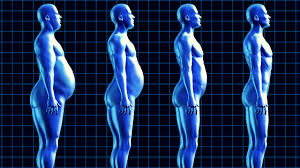
How We Create a Healthy Calorie Deficit
We achieve this in two main ways:
- Reducing excess calorie intake through better food choices
- Increasing calorie expenditure through movement and exercise
A moderate deficit of 300–700 calories per day is ideal for steady fat loss without damaging metabolism or energy levels.
Best Foods for Healthy and Sustainable Weight Loss
Food quality plays a major role in how effectively we lose weight. We focus on nutrient-dense foods that keep us full, energized, and satisfied.
Protein-Rich Foods for Fat Loss
Protein is essential because it:
- Reduces hunger and cravings
- Helps preserve lean muscle mass
- Increases calorie burn during digestion
We include:
- Eggs
- Chicken and lean meats
- Fish such as salmon and tuna
- Greek yogurt
- Lentils and beans
Fiber-Rich Foods for Appetite Control
Fiber helps regulate digestion and keeps us full for longer periods.
We prioritize:
- Vegetables like spinach, broccoli, and carrots
- Fruits such as apples, oranges, and berries
- Whole grains like oats and brown rice
Healthy Fats for Hormonal Health
Healthy fats support metabolism and long-lasting energy.
We include:
- Avocados
- Nuts and seeds
- Olive oil
- Fatty fish
Foods We Limit for Faster Results
To support fat loss, we reduce:
- Sugary drinks and sweets
- Fried and processed foods
- Refined carbohydrates like white bread
- High-calorie snacks with low nutritional value
Exercise Strategy for Faster Weight Loss
Physical activity increases calorie burn and improves body composition. We combine different types of exercise for the best results.
Strength Training for Fat Loss and Muscle Preservation
Strength training is essential because muscle increases metabolism and improves body shape.
We focus on:
- Squats
- Push-ups
- Lunges
- Deadlifts
- Resistance exercises
We aim for 3–4 sessions per week to build and maintain lean muscle.
Cardio for Increased Calorie Burn
Cardio helps create a calorie deficit and improves cardiovascular health.
Effective options include:
- Walking
- Jogging
- Cycling
- Swimming
Even 30–60 minutes of daily walking can significantly enhance fat loss.
HIIT for Faster Fat Burning
High-Intensity Interval Training (HIIT) is a time-efficient method for burning calories.
Structure:
- 30 seconds high effort
- 60 seconds rest
- Repeat for 15–20 minutes
Benefits include:
- Rapid calorie burn
- Improved endurance
- Continued fat burning after exercise
Lifestyle Habits That Influence Weight Loss
Daily habits have a strong impact on fat loss progress.
Sleep: A Key Factor in Fat Loss
Poor sleep disrupts hormones that control hunger and fat storage.
We aim for:
- 7–9 hours of sleep per night
- A consistent sleep schedule
- Reduced screen time before bed
Stress Management for Better Results
High stress increases cortisol, which can lead to fat storage, especially around the abdomen.
We manage stress through:
- Deep breathing exercises
- Meditation or mindfulness
- Walking outdoors
- Relaxing activities
Hydration for Better Metabolism
Water supports digestion, energy levels, and appetite control.
We follow:
- 2–3 liters of water daily
- Drinking water before meals
- Avoiding sugary beverages
Common Weight Loss Mistakes to Avoid
Many people struggle due to avoidable errors.
1. Extreme Dieting
Very low-calorie diets slow metabolism and lead to rebound weight gain.
2. Skipping Meals
This often increases hunger and leads to overeating later.
3. Ignoring Strength Training
Without resistance training, muscle loss can occur instead of fat loss.
4. Lack of Consistency
Irregular habits prevent steady progress.
5. Low Protein Intake
Insufficient protein reduces muscle retention and slows metabolism.
Simple Daily Weight Loss Routine
A structured routine helps maintain consistency.
Morning
- Drink water after waking
- Light movement or walking
- Protein-rich breakfast
Afternoon
- Balanced meal with protein, vegetables, and healthy carbs
- Short walk after eating
Evening
- Workout session (strength or cardio)
Dinner
- Light, protein-focused meal
- Avoid heavy or sugary foods at night
Night
- Relaxation routine
- Consistent sleep schedule
Healthy Rate of Weight Loss
We aim for a safe and realistic rate of:
- 0.5 to 1 kg per week
This ensures:
- Fat loss instead of muscle loss
- Stable energy levels
- Long-term sustainability
Mindset for Long-Term Success
We focus on building discipline and consistency rather than seeking quick fixes.
Key principles:
- Stay consistent even when progress is slow
- Focus on long-term habits
- Avoid emotional eating
- Track progress beyond the scale
Advanced Strategies for Better Results
Intermittent Fasting
Helps naturally reduce calorie intake by limiting eating windows.
Increase Daily Movement
Small actions add up:
- Walking more
- Taking stairs
- Standing instead of sitting
Track Food Intake
Improves awareness and helps maintain control over calories.
Conclusion: Building a Sustainable Weight Loss Lifestyle
We achieve successful weight loss by combining balanced nutrition, regular exercise, and healthy lifestyle habits. Instead of relying on quick fixes, we focus on long-term systems that naturally support fat loss.
When consistency becomes a habit, weight loss is no longer forced—it becomes the natural result of a healthier lifestyle.